
Erasmus+ Project: “Non-formal education for disadvantaged people – training of professionals in a European context”
Erasmus+ Project: “Non-formal education for disadvantaged people – training of professionals in a European context”
Project No.: 2024-1-DE02-KA210-VET-000244075
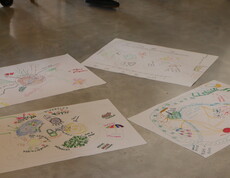
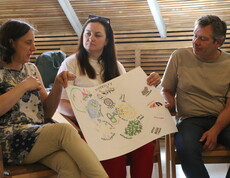
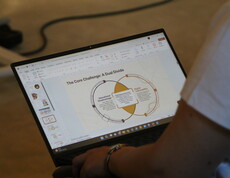
Third transnational partner meeting from 27 to 29 May 2026 in Sfântu Gheorghe (Romania)
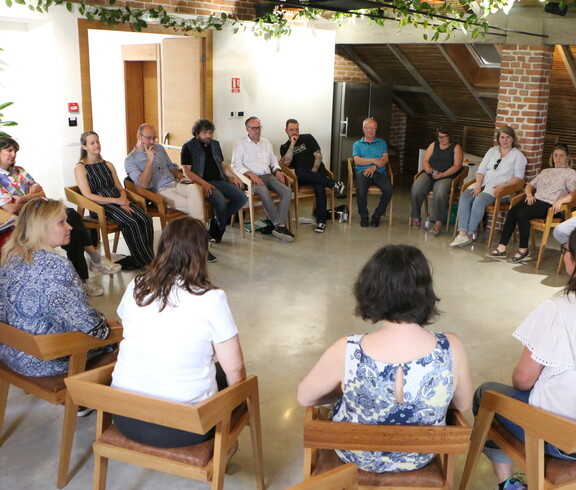
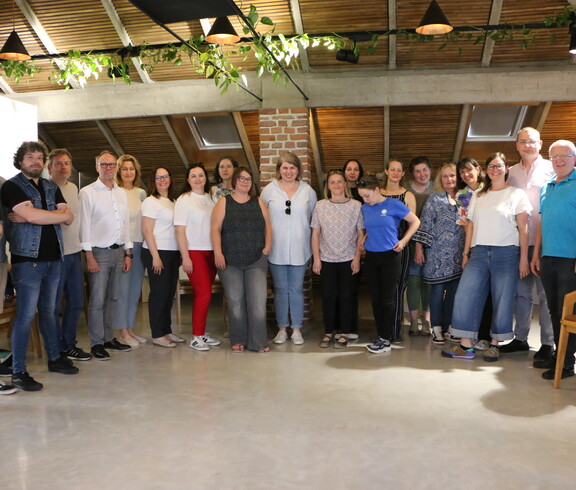
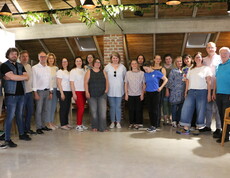
The third transnational partner meeting of the Erasmus+ project “Non-formal education for disadvantaged people – Qualification of professionals in a European context” took place from 27 to 29 May 2026 in Sfântu Gheorghe, Romania. Eighteen professionals from the partner organisations – the Diocesan Caritas Association for the Archdiocese of Cologne e.V., Caritas Alba Iulia, Caritas Diocesana Trieste, the Federation of Lithuanian Children’s Day Care Centres and Caritas of the Diocese of Linz – came together for this third meeting to exchange ideas on approaches to non-formal education, learn about successful practical examples and jointly advance the project’s work. The partners arrived the evening before.
Following a warm welcome from the host organisation, Caritas Alba Iulia, representatives from regional and local social services, together with the project coordinators, opened the meeting. In their welcoming remarks, they emphasised the importance of international cooperation for the further development of social services and educational provision. The partner organisations then reported on current developments in their work on non-formal learning.
Júlia Ferencz from the Dobbanó Hangok Association set the tone for the first key thematic focus with her presentation ‘Non-formal education: the supportive environment for learning’. She impressively illustrated how non-formal educational programmes can promote learning processes, particularly among people who are difficult to reach within the formal education system. Using numerous practical examples, she demonstrated how supportive learning environments can be created that strengthen initiative, creativity and social skills. The participants took the opportunity to engage in an in-depth professional exchange on the applicability of these approaches to their respective fields of work.
In the afternoon, the focus was on the Transylvania region. Participants gained insights into the history and culture of Transylvania, as well as into the successful use of European funding programmes for regional development. The excursion to Brașov provided an opportunity to familiarise themselves with the cultural and social context of the region and to deepen the exchange between partners outside the seminar room. The joint visit fostered mutual understanding and strengthened the partnerships within the project.
The second day of the workshop was characterised by practical project visits. The initial focus was on the Roma community in Őrkő. Representatives from various organisations and institutions reported on their work in the areas of social inclusion, education, community development and poverty alleviation. Particularly impressive was the close cooperation between public administration and civil society, which are working together to improve the living conditions of local people in a sustainable manner. The subsequent tour of the Caritas day centre highlighted how non-formal educational programmes can help to reduce social disadvantage, boost self-confidence and open up future prospects.
The participants gained further valuable insights during their visit to the National Szekler Museum. There, the exhibition ‘Székelys – Patterns of Heritage’ demonstrated how museum education approaches can promote cultural learning and actively involve different target groups in educational processes. The combination of cultural heritage and modern methods of non-formal education was particularly impressive. The concepts presented demonstrated
how learning can be structured outside traditional educational institutions and the significance of cultural identity for educational processes.
In the afternoon, the group visited the Caritas Alba Iulia Family and Children’s Centre. The projects presented impressively demonstrated how children and families can be empowered through low-threshold educational and support services. A particular highlight was the subsequent talk by Elana Andrews, musical director of Superar Romania. In a workshop, she explained how music, as a tool for non-formal education, can promote social integration, a sense of community and social participation. Examples from her work with disadvantaged children and young people, in particular, highlighted the great potential of creative methods for educational and inclusion processes.
On the third day, the participants first visited the ‘Iris House’ day centre run by the Diakonia Christian Foundation in Sfantu Gheorghe. There, they were introduced to various art and music projects for people with disabilities. In particular, the approaches associated with so-called ‘outsider art’ highlighted how creative forms of expression can strengthen individual potential and open up new avenues for social participation. The projects presented impressively demonstrated the contribution that non-formal education can make to the inclusion, self-determination and personal development of people with disabilities.
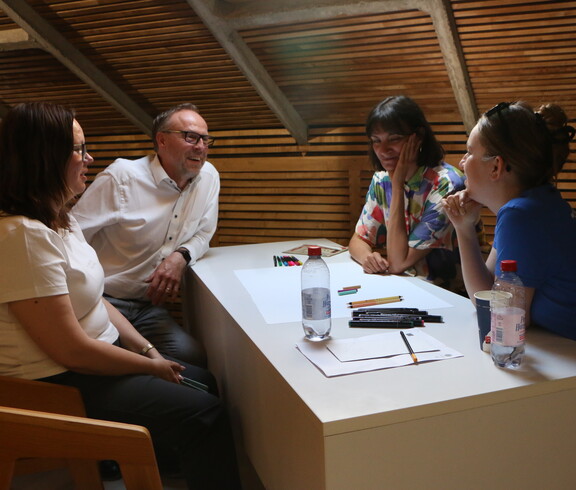
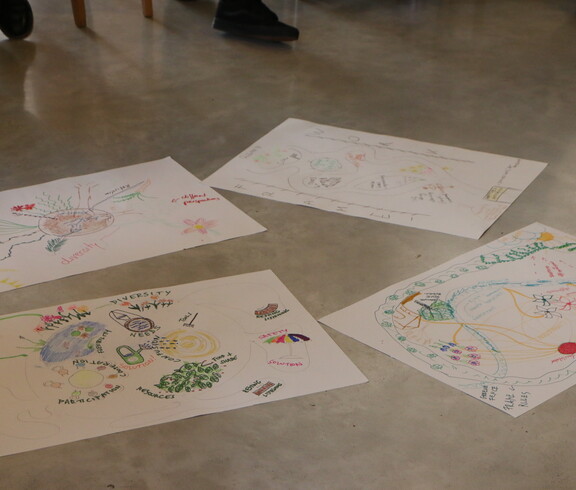
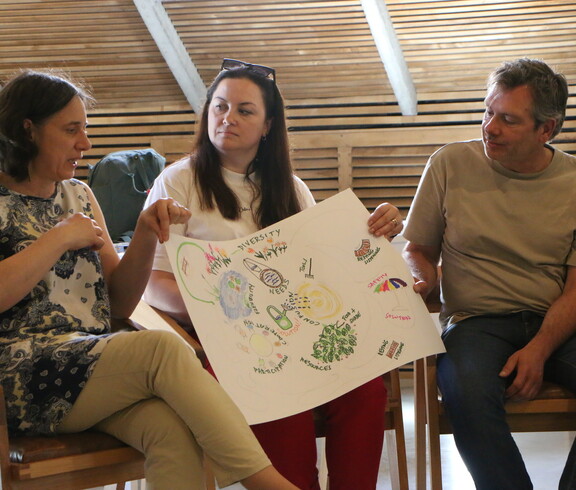
To conclude the meeting, the partner organisations reflected on the insights gained in transnational working groups. They discussed together which methods and approaches could be transferred to their own practice and which ideas were particularly relevant for the project’s further development. It became clear that many of the examples presented offer important insights for working with disadvantaged people in their respective home countries. Furthermore, the next steps in the project were agreed upon, particularly with regard to the joint digital training session in June and the final meeting in Cologne in September.
Overall, the meeting in Sfântu Gheorghe was rated by all participants as an extraordinary success and extremely enriching from a professional perspective. Particular praise was given to the excellent organisation by Caritas Alba Iulia, the outstanding support throughout the stay, and the high calibre of the speakers. The varied project visits provided deep insight into innovative approaches to non-formal education in Romania and offered numerous ideas for participants’ own practice. The very positive and trusting working atmosphere fostered open dialogue, deepened cooperation between the partner organisations and strengthened a shared understanding of non-formal education in work with disadvantaged people. The meeting thus made an important contribution to the further development of common European approaches to education, inclusion and social participation.
Click here for the e-book: https://cloud.3dissue.com/183/378/716/Transnational-Project-Meeting/index.html?r=38
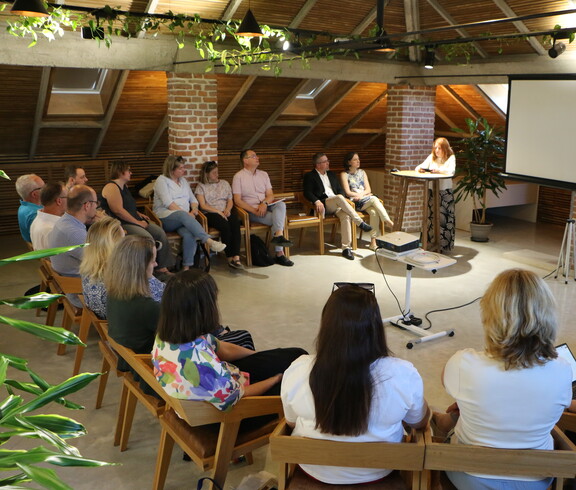
Third transnational partner meeting from 27 to 29 May 2026 in Sfântu Gheorghe (Romania)
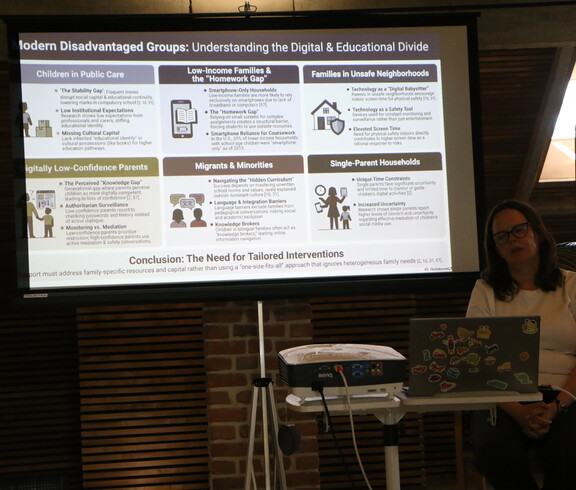
Third transnational partner meeting from 27 to 29 May 2026 in Sfântu Gheorghe (Romania)
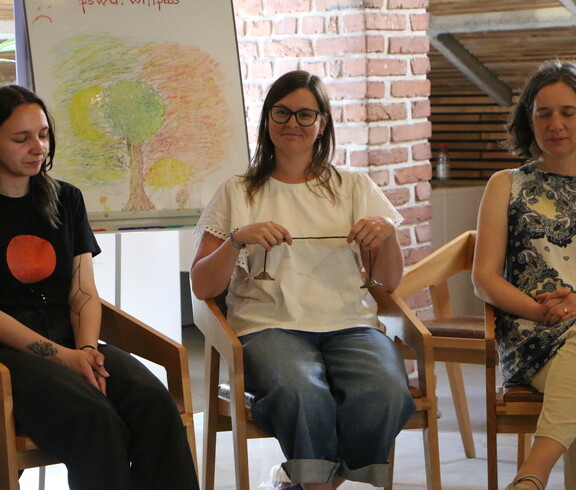
Third transnational partner meeting from 27 to 29 May 2026 in Sfântu Gheorghe (Romania)
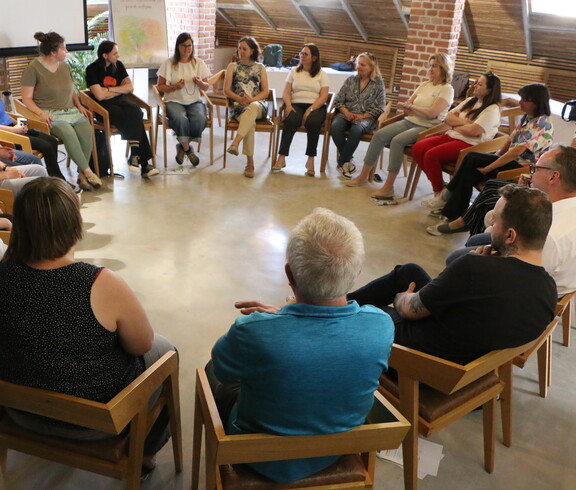
Third transnational partner meeting from 27 to 29 May 2026 in Sfântu Gheorghe (Romania)
Third transnational partner meeting from 27 to 29 May 2026 in Sfântu Gheorghe (Romania)
Third transnational partner meeting from 27 to 29 May 2026 in Sfântu Gheorghe (Romania)
Third transnational partner meeting from 27 to 29 May 2026 in Sfântu Gheorghe (Romania)
Third transnational partner meeting from 27 to 29 May 2026 in Sfântu Gheorghe (Romania)
Third transnational partner meeting from 27 to 29 May 2026 in Sfântu Gheorghe (Romania)
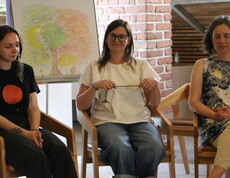
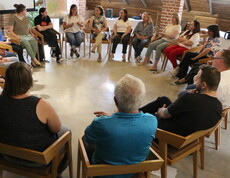
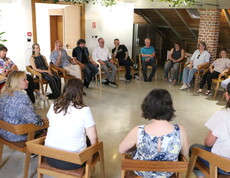
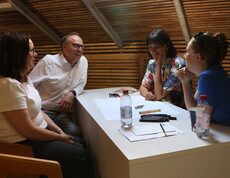
Third transnational partner meeting from 27 to 29 May 2026 in Sfântu Gheorghe (Romania)
Third transnational partner meeting from 27 to 29 May 2026 in Sfântu Gheorghe (Romania)
Third transnational partner meeting from 27 to 29 May 2026 in Sfântu Gheorghe (Romania)
Third transnational partner meeting from 27 to 29 May 2026 in Sfântu Gheorghe (Romania)
Third transnational partner meeting from 27 to 29 May 2026 in Sfântu Gheorghe (Romania)
Third transnational partner meeting from 27 to 29 May 2026 in Sfântu Gheorghe (Romania)
Third transnational partner meeting from 27 to 29 May 2026 in Sfântu Gheorghe (Romania)
Third transnational partner meeting from 27 to 29 May 2026 in Sfântu Gheorghe (Romania)
Third transnational partner meeting from 27 to 29 May 2026 in Sfântu Gheorghe (Romania)