
Erasmus+ Project: ‘Non-formal education for disadvantaged people – Qualification of professionals in the European context’
Erasmus+ Project: ‘Non-formal education for disadvantaged people – Qualification of professionals in the European context’
Project No: 2024-1-DE02-KA210-VET-000244075
Second transnational partner meeting from 28 to 30 October 2025 in Trieste (Italy)
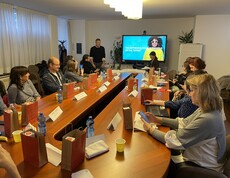
The second transnational partner meeting of the Erasmus+ project ‘Non-formal education for disadvantaged people – Qualification of professionals in the European context’ took place from 28 to 30 October 2025 in Trieste and once again brought together professionals from five European countries. The partners arrived on 27 October, so that the exchange could begin the following morning in a very open and focused atmosphere. From the outset, it was clear that the cooperation that had already begun in Linz had grown further – many conversations picked up seamlessly on the content discussions of the first meeting and enabled a quick transition to constructive work.
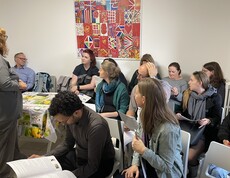
After a warm welcome by Father Giovanni La Manna S.J., Director of Caritas Trieste, and a brief round of introductions, the partner organisations first presented their experiences and developments to date in the field of non-formal education with disadvantaged people. This provided a valuable basis for entering into the thematic exchange. An important technical focus was then provided by the renowned social work scientist Dr Alessandro Sicora from the University of Trento, who, in his lecture ‘Reflective Practice and Learning from Mistakes in Social Work’, impressively highlighted how essential reflective practice and the conscious handling of mistakes are for the professionalisation of social work. His many vivid examples and theoretically well-founded insights were perceived as particularly enriching by the participants and led to intensive discussions on how reflective processes in educational and counselling practice with disadvantaged people and groups can be strengthened.
In the afternoon, Caritas Upper Austria presented its newly designed ‘Integration Box’ for promoting the social integration of migrants before the group set off for the International Rescue Committee (IRC). The team there provided an insight into the AMIF project LGNet3 and showed how low-threshold educational opportunities and initial orientation measures can be designed for newly arrived migrants. However, the day was not over yet: in the evening, the participants visited Spazio 11, a ‘Solidarity Waiting Room’ facility where non-formal education formats are used specifically for newly arrived female migrants, for example in relation to health-related content or information to help them find their way around the city.
The methods presented there impressively illustrated how creative and flexible educational work can be when it is consistently geared to the needs of the target groups.
The second day of work was devoted to excursions and practical insights. First, the group visited Ostello Scout Alpe Adria, an initial reception centre for asylum seekers. The team leaders there presented concrete examples of non-formal education work that offers people orientation, structure and initial learning opportunities in the first few weeks after their arrival in Italy. The focus here is on teaching basic language skills with the help of non-formal education. During the subsequent ‘Lunch & Learn’ at the inclusive restaurant AUTstanding – La Sosta Inclusiva, participants learned how people with autism can be empowered through individually tailored work and education opportunities. In the afternoon, the group visited the Habitat Microaree project in the Altura residential district, where low-threshold, real-life adult education programmes were presented. These examples impressively demonstrated how powerful education can be when it is anchored in people's immediate social environment, designed creatively and based on long-term relationship building. The exchange with a group of older residents was particularly interesting.
The third day began with another scientific impulse: Dr. Francesca Pegorer from the University of Trieste gave valuable food for thought on perceptions, cultural attributions and the importance of an open, reflective attitude in education and counselling processes in her lecture ‘The Anthropological Perspective on the “Other”’. The group then turned its attention to planning the next steps of the project. Under the leadership of project coordinator Ulrich Förster, the upcoming transnational meetings and the development of the planned online training course were discussed. In a concluding reflection round, the participants shared their most important insights and described which approaches and methods they wanted to adopt in their own work contexts.
Overall, the meeting in Trieste was a great success and was found to be extremely enriching by all partners. Particular praise was given to the expertise of the lecturers, the professional organisation by Caritas Trieste and the diverse and practical project visits. The excellent working atmosphere promoted open exchange, deepened cooperation between the partners and broadened the common understanding of non-formal education in working with disadvantaged people in Europe.
Click here for the E-book: https://cloud.3dissue.com/183/378/716/nonformal-education/index.html?r=7
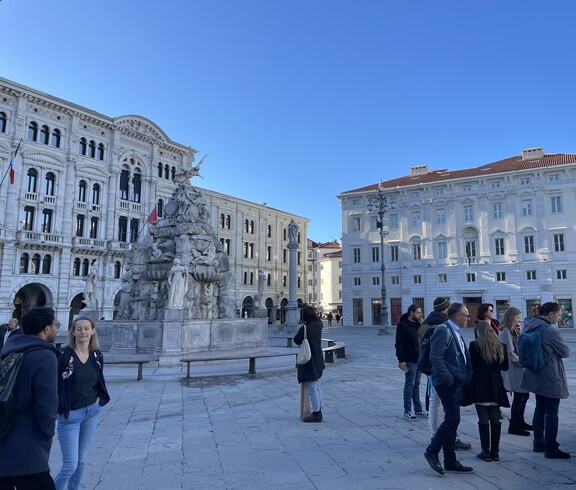
Second transnational partner meeting from 28 to 30 October 2025 in Trieste (Italy)
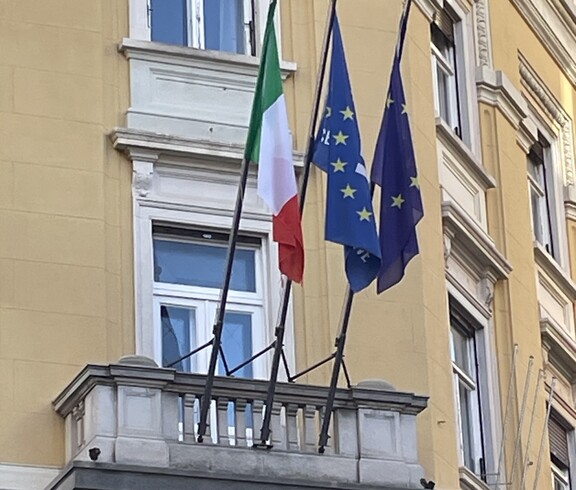
Second transnational partner meeting from 28 to 30 October 2025 in Trieste (Italy)
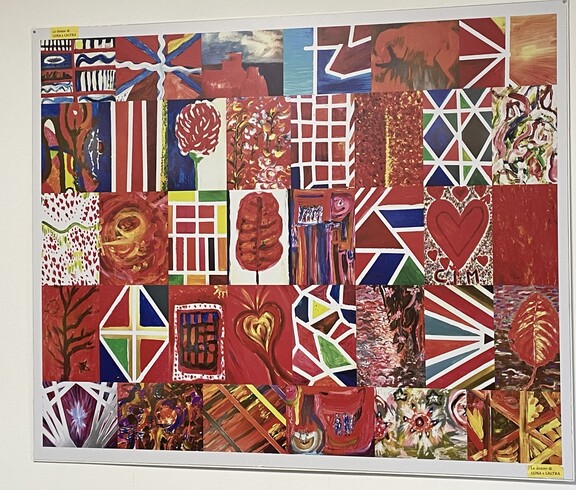
Second transnational partner meeting from 28 to 30 October 2025 in Trieste (Italy)
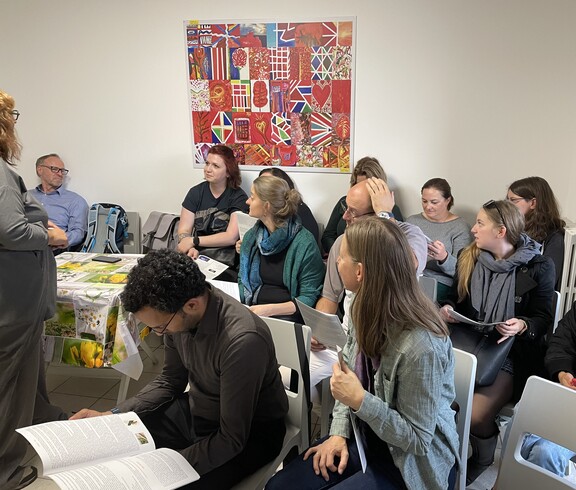
Second transnational partner meeting from 28 to 30 October 2025 in Trieste (Italy)
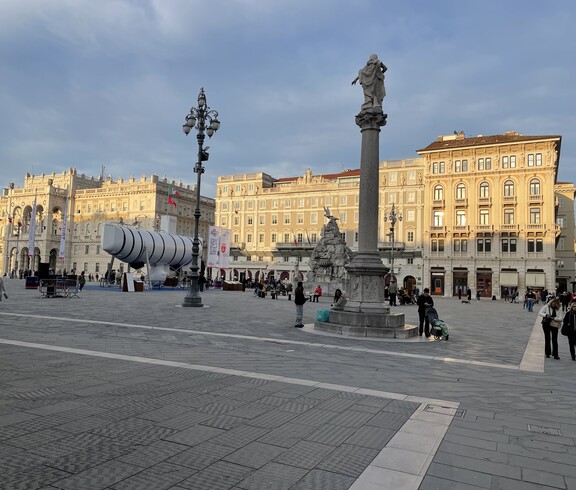
Second transnational partner meeting from 28 to 30 October 2025 in Trieste (Italy)
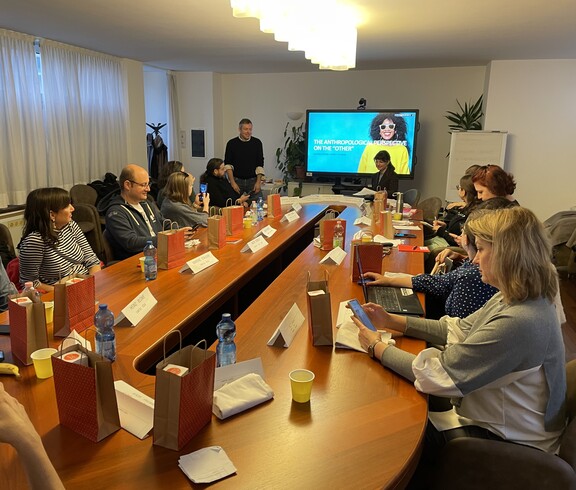
Second transnational partner meeting from 28 to 30 October 2025 in Trieste (Italy)
Second transnational partner meeting from 28 to 30 October 2025 in Trieste (Italy)
Second transnational partner meeting from 28 to 30 October 2025 in Trieste (Italy)
Second transnational partner meeting from 28 to 30 October 2025 in Trieste (Italy)
Second transnational partner meeting from 28 to 30 October 2025 in Trieste (Italy)
Second transnational partner meeting from 28 to 30 October 2025 in Trieste (Italy)
Second transnational partner meeting from 28 to 30 October 2025 in Trieste (Italy)